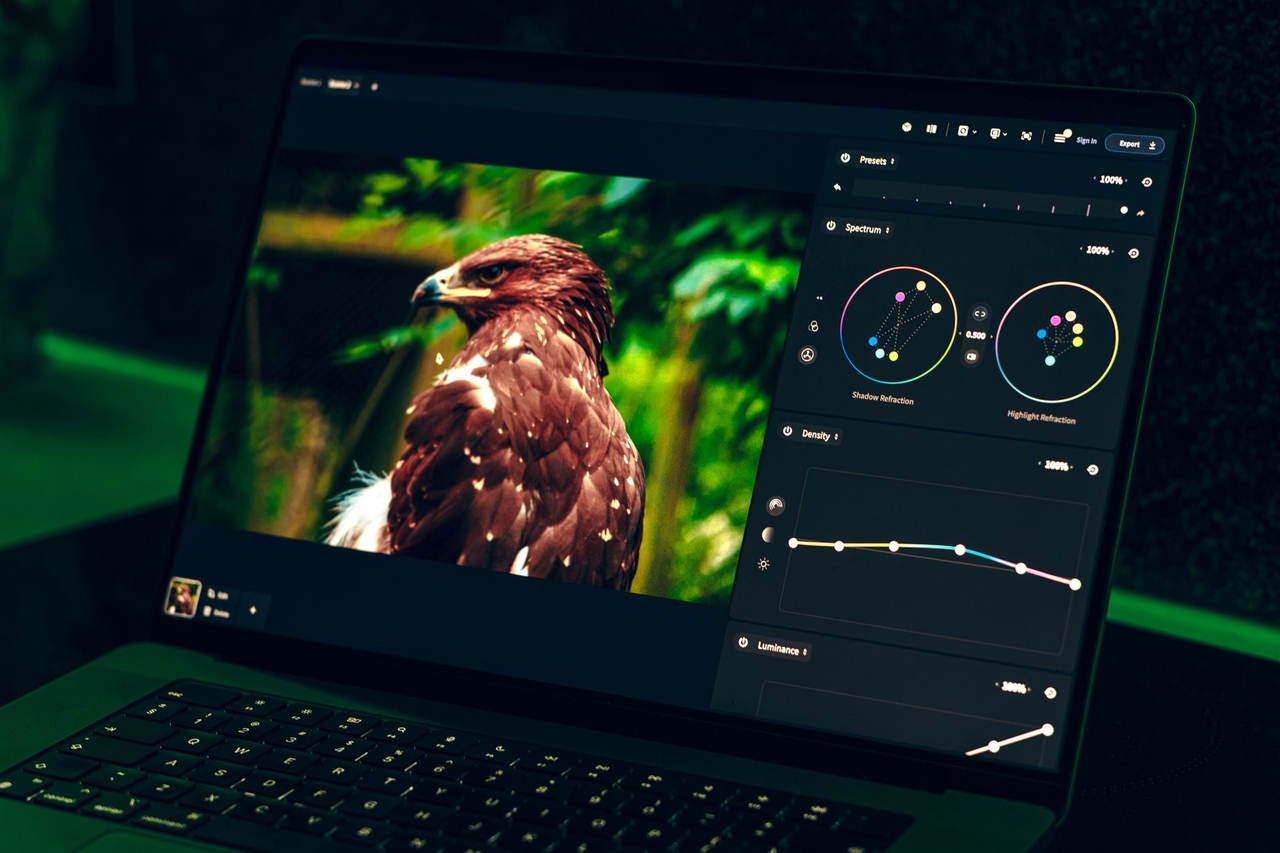
In the recent past, photo editing involved understanding layers, masks, and a myriad of keyboard shortcuts. These days, many people find themselves merely describing their needs and allowing an AI model to handle everything. This is one of the biggest paradigm shifts in the field of digital content creation, and it is changing the way that marketers and small businesses, among others, create visuals.
From Filters to Prompts
One of the features of early photo editing applications was one-touch filters. It was fast and easy, but there were limitations, and the results usually turned out the same. AI image-generating models operate on another principle altogether. Instead of adding an existing effect, they interpret the instructions provided to them and adapt the image content accordingly.
Tell a good image model to provide you with a new background Nano Banana 2.5 GemPix tool lighting, and clothing style for the character, and watch how it tries to do all that at once. This way, ideas from those without technical skills can become reality.
Why the "Nano Banana" Wave Caught On
The whimsical name Nano Banana caught on due to its use as an easy name for the next generation of fast prompt-based image models. Some of the factors behind their popularity include:
- Editing by natural language: Instead of adjusting sliders, users describe their changes using natural language sentences.
- Consistency of subjects: It’s important that a decent model retains the likeness of a person, product, or character through repeated edits.
- Fast responses: Since results appear instantly, users can try several edits, instead of settling for the first attempt.
- Low threshold for entry: No prior knowledge of design is required to achieve a viable result.
This explains why so many sites have implemented the same functionality into their creative tools.
Practical Use Cases
The usefulness of these instruments becomes clear through their practical implementation. Here are just some situations in which image generation with the help of prompts is efficient and helps save time.
Social media images. Creators usually require multiple versions of a single visual image for different audiences and social networks. Prompted generation of visuals is much quicker than recreating every new version separately.
Product visuals for marketers. Small e-commerce companies could add a product to a number of different backgrounds: on the kitchen countertop, outdoors, and during the holiday season. This process does not require arranging photoshoots.
Development of concepts. Writers and designers could rapidly create different moods, characters, or layouts before finalizing their ideas.
Backgrounds, thumbnails, and title cards in video projects. In addition, creating visuals for videos includes creating thumbnails, title cards, and background art. Tools like the Nano Banana 2.5 GemPix tool fit into the larger video-editing workflow, helping creators move smoothly from generation to implementation.
Efficiency and flexibility can be found in common. While all of these can certainly be accomplished without AI, they would take more time, money, and effort before.
Getting Better Results From AI Image Tools
The quality of the image is greatly determined by the instruction given to the AI model. There are certain practices that make the difference.
Be clear in your instructions. It's always a great idea to be more specific, like in "a reading nook with warm evening light and a wooden shelf for books" instead of "nice room".
Add each change separately. Combining a lot of changes into one instruction may lead to misunderstanding of your request.
Add the style of the image. "Minimalistic", "cinematic", "soft watercolor," and other styles can help you determine how the final image will look.
Iterate. Always consider the first output as a draft. Small changes in your wording can make your final image perfect.
Look for mistakes. Sometimes AI may fail with hands, text, or any fine details of the image.
Limits and Responsible Use
While all of the above tools may be very helpful, they cannot replace judgment. The AI algorithm may interpret the prompt incorrectly, include weird details, or even create images that look like realistic ones, yet they are not based on the truth. If an AI creates an image, then the creator should clearly state this fact in cases where it is critical, such as news, educational content, and advertising of products.
Also, the issue of consent and copyright may appear, especially when editing images of actual people. This process requires respecting people's privacy and receiving permission from them. It is also important to know the license agreement of the platform used.
What Comes Next
The course of development is rather simple to understand. It goes from image generation being not a separate specialty app but an indispensable part of the regular creative software. As the resolution and textual rendering only get better, the editing process becomes increasingly natural and easy. The gap between one’s concept and its visualization might soon disappear completely.
It is also quite clear what should be done by anyone seeking to harness the potential of the tool – one has to learn to write proper prompts, choose the outcome wisely, and treat AI like a partner and not a quick fix. The people who benefit most from that approach are the ones who combine their taste and experience with efficiency.
Conclusion
AI image editing has progressed from being just another interesting idea to becoming a tool that is actually used in design projects. Thanks to the ability of Nano Banana tools to convert regular text to final images, the design process has become much easier for people who were scared of it before. Used responsibly, they will enable fast work without sacrificing quality or credibility.