
The AI has prevailed widely in all spheres of life. Whether it is sports, education, space engineering, or transportation, you will see AI actively integrated. The AI-based education apps have now become the mainstream tool for students to qualify for higher marks in their examinations. These apps help save time, energy, and maximize your productivity.
The classrooms are now equipped with AI technologies, and students are actively using AI to complete their projects, research, and all their daily tasks. It does better research, gives you more sources, reliable data, and fast responses. Additionally, the AI has changed the way students interact with technology. Now they can chat with AI and get better, to the point, and satisfying answers to their questions in no time.
Top 15 Best AI-Based Education Apps for Study Plans 2026:
Simple plans work best when they stay easy to follow. Real progress comes from steady practice and steady review. Many students also want ethical AI educational solutions, so the app helps them in a fair way and keeps their data safer. One planning app and one practice app are enough for most students.
1. JenAI Chat
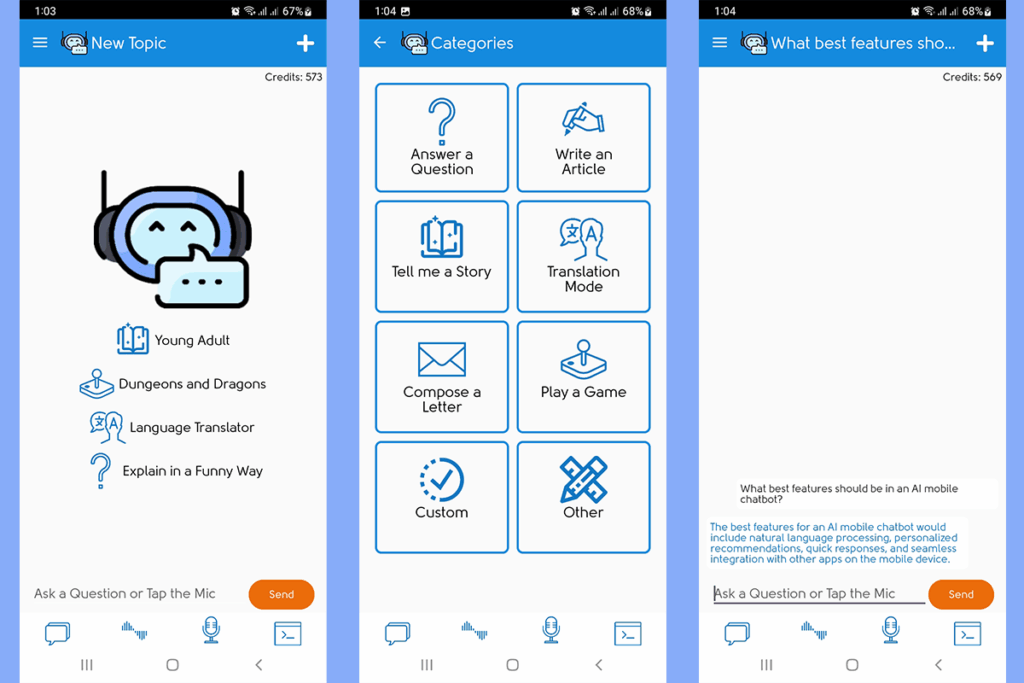
For quick planning, JenAI Chat can help you build a weekly outline from one clear goal. Your exam date and your free hours can go into the request, so the plan fits your week. As an AI study plan app for exams, it can shape daily tasks that feel simple.
On a busy day, a reset can save your whole week. A missed day can be fixed by asking for a new schedule that starts again. Short quizzes and short topic lists can also help you check what you remember. Clear steps make it easier to keep going.
Pros:
- Makes simple study plans fast
- Explains topics in plain words
- Creates practice questions on demand
- Custom commands save study time
Cons:
- Needs good prompts to work
- Answers can be wrong sometimes
- Credits can run out
- Not a built-in curriculum
2. Study Fetch
During heavy study weeks, long notes can feel too slow. Study Fetch can turn your files into smaller study items you can use quickly. As an AI note summarizer for studying, it can help you cut big pages into small parts.
In a good plan, review time matters a lot. Quizzes and flashcards from your own notes can be added to your daily tasks. A steady loop works well: learn a little, test a little, then fix mistakes. That loop helps your plan feel real.
Pros:
- Turns lectures into study sets
- Makes flashcards from your files
- Creates quizzes for quick review
- Transcripts help with missed class notes
Cons:
- Upload quality affects results
- May need paid features
- Large files can be processed slowly
- Privacy depends on uploads
3. NotebookLM
From your own sources, NotebookLM can help you pull out key points. Your notes, your reading, and your class topics can stay in one place. That makes study time feel closer to what you truly need.
As a mobile AI learning companion, it can help you plan what to read and what to review next. Short outlines for each topic can also help you stay on one path. Less mess in your plan can mean less stress in your day.
Pros:
- Study only your own sources
- Creates audio overviews for review
- Finds key points quickly
- Good for long reading summaries
Cons:
- Needs source uploads first
- May miss context in sources
- Works best with the internet
- Not ideal for homework solving
4. Quizlet
With small time blocks, Quizlet can still help you learn well. Flashcards and short tests fit into short sessions. A daily plan becomes easier when practice is short and clear.
Through repeated practice, memory can grow stronger. As the best AI flashcard app for students, Quizlet works well when you practice one set each day. Missed items can become tomorrow’s review list. That simple habit can keep your plan steady.
Pros:
- Great for daily flashcard review
- Many ready-made study sets
- Practice modes keep you testing
- Tracks progress across devices
Cons:
- Ads can distract during study
- Quality varies in public sets
- Best features need a subscription
- Not great for deep explanations
5. Khan Academy
Step-by-step learning helps you feel safe and sure. In many subjects, Khan Academy follows a clear order, so your plan does not jump around. Skills can be built in a clean way when you stay in order.
With feedback, progress becomes easier to see. Practice results can show what you need to fix next. A simple plan can be one short lesson and one practice set each day. A weekly review day can help lock in the learning, and it can also help if you want AI education careers later, because strong basics matter.
Pros:
- Free courses with clear order
- Practice adapts to your level
- Strong math and science basics
- Works well for long-term plans
Cons:
- Less help for niche courses
- Needs time to follow units
- Videos can feel slow sometimes
- Limited personalized teacher feedback

6. Duolingo
Daily learning can be easier than long study days. Duolingo is built for short lessons you can finish fast. A plan stays alive when tasks feel small.
For language growth, review matters as much as new lessons. As a language learning app with an AI coach, Duolingo can guide practice and keep you at your level. One lesson each day can be enough to start. One longer review day each week can help more.
Pros:
- Easy daily habit for languages
- Short lessons fit busy days
- Tracks streaks and goals
- Good for basic vocabulary practice
Cons:
- Ads can break focus
- Speaking practice can feel limited
- Not enough for advanced fluency
- Gamified design may distract
7. Photomath
When a math problem feels too hard, studying can stop. Photomath shows steps, so you can learn the method and keep moving. A plan stays stronger when you can get unstuck fast.
With honest practice, skills grow faster. As an adaptive practice app for math, Photomath works best after you try it first. Paperwork first, app check second, then a similar problem again. That keeps your plan focused and fair.
Pros:
- Shows step-by-step math solutions
- Helps you learn the method
- Good for quick homework checks
- Works from camera scanning
Cons:
- Can tempt copying without learning
- Some steps require paid access
- Not for every math style
- Needs a clear photo to scan
8. Symbolab
For harder math topics, Symbolab can show a clear path. Step-by-step help can support algebra, graphs, and calculus work. Seeing the steps can help you learn the method, not only the final answer.
After checking a solution, one short note can help a lot. A simple rule can go into your weekly review list. Over time, your notes become your own small guide. That guide can make the next week easier.
Pros:
- Strong steps for algebra calculus
- Handles word problems by photo
- Good for checking your work
- Extra practice tools available
Cons:
- Step-by-step may need payment
- It can feel complex for beginners
- Needs internet for full features
- Not a full study schedule
9. Gizmo
Active recall can help memory more than rereading can. Gizmo helps you practice with flashcards, so you must remember, not only look. A plan becomes stronger when daily practice is active. For word practice, AI language learning apps can also use flashcards, so you review words each day.
With good timing, the review feels less heavy. As a spaced repetition study planner, Gizmo can help you review at smart times. New cards today, review tomorrow, then review again later works well. Less cramming can mean less stress.
Pros:
- Makes flashcards from uploads
- Quizzes support active recall
- Spaced review builds memory
- Great for five-minute sessions
Cons:
- Quality depends on source content
- Needs uploads for best results
- May push you to overquiz
- Some features may cost money
10. Studley
When the next step is not clear, starting feels hard. Studley can help turn one goal into small daily tasks. A plan feels lighter when tasks feel simple.
For higher classes, quick support can help you stay on track. As an AI tutor app for university courses, Studley can help you understand a hard idea and keep moving. Weekly planning plus short daily sessions can work well. Small sessions can still build big progress.
Pros:
- Combines notes, quizzes, and tutoring
- Turns topics into study sets
- Helpful for homework questions
- Good for fast review sessions
Cons:
- Can encourage shortcut answers
- Quality varies by subject
- Paid features may be needed
- Not always aligned with teachers

11. Campus: AI Learning Companion
When you feel pulled in many directions, one clear path helps. Campus: AI Learning Companion can support a structure so you do not jump too much. A plan stays clearer when you stay on one track. Later, if you want AI education remote jobs, a steady study plan can help you build skills little by little.
Across a real week, pacing matters a lot. As a personalized learning schedule app, it can help you set small goals and check progress each day. Easy goals can help you finish the day. Realistic changes can help you keep the plan.
Pros:
- Builds personalized study paths
- Adaptive challenges grow with you
- Good for test practice
- Uploads turn into practice sets
Cons:
- Needs time to upload materials
- May require a paid plan
- Not strong in creative writing
- Accuracy depends on your inputs
12. Brainly
Getting stuck can waste time and break focus. Brainly can explain a problem so you can move on. In a plan, it works best as support, not as the main tool.
For true learning, the method is the goal. As an AI homework helper for high school, Brainly can help when you study the steps and then try again alone. A hard topic can go to your weekend review list. That keeps your plan honest and useful.
Pros:
- Fast answers from a large community
- Expert-verified answers are available
- Good for stuck homework moments
- AI tutor helps explain steps
Cons:
- Answer quality can still vary
- Ads can distract while reading
- May reduce independent thinking
- Some help sits behind a paywall
13. ELSA Speak
Speaking practice is easy to skip when feedback is hard to find. ELSA Speak focuses on pronunciation and clear speech. Clear feedback makes practice easier to add to your plan.
With short daily practice, speaking can improve a lot. Five to ten minutes each day can be enough to start. A longer review day each week can help even more. Steady practice can build real confidence.
Pros:
- Gives instant pronunciation feedback
- Helps fix tricky English sounds
- Personalized study sets save words
- Short daily speaking practice
Cons:
- Focuses mainly on English
- Needs a microphone and a quiet space
- Full lessons often cost money
- Accent feedback may feel strict
14. Mindgrasp
Long reading can feel slow and tiring. Mindgrasp is one of many AI education tools that can turn content into shorter study pieces, like summaries and questions. Practice becomes easier when the material feels smaller.
One topic per day can work well. Questions from that topic can be answered without looking first. Mistakes can be checked and reviewed right after. That routine helps your plan stay simple and active.
Pros:
- Turns lectures into study tools
- Makes notes, flashcards, and quizzes
- Good for YouTube and PDFs
- Saves time on long readings
Cons:
- Needs uploads for best output
- Subscription may be required
- Output quality varies by source
- Not a full class curriculum
15. WolframAlpha Classic
Checking your work can stop wrong learning. WolframAlpha Classic helps you verify math and science answers. Small “what if” checks can also help you understand deeper. For extra help, free AI teaching websites can show short lessons on the same topic, so you understand the steps better.
With a clean habit, accuracy grows over time. Solve first, check second, then fix the mistake. One short note about the mistake can go into the weekly review. That habit makes your plan steadier.
Pros:
- Computes exact answers in STEM
- Great for checking calculations
- Explains results with reports
- Covers many subjects quickly
Cons:
- Less helpful for writing tasks
- It can feel hard for beginners
- Needs correct input formatting
- Some advanced steps need Pro

AI Writing Check for Students Before Assignments
Before the comparison table, adding a quick tool can help you check the text you write or paste. Easy AI Checker is useful when you want to know if your writing looks like AI text and might need a small rewrite. This quick step can help you feel more sure before you share your work for class or online.
- AI detection check: Easy AI Checker scans your text and shows if it looks like AI writing, so you can spot risky lines early.
- Plagiarism scan option: A plagiarism scan can be used when you also want to check for copied text, which is helpful for school work and blog writing.
- Paste or upload files: You can paste text for a fast check, and you can upload files when your work is saved in a document.
- Humanize AI text: A humanize option can rewrite parts that look too robotic, so the flow becomes smoother and more natural.
- Highlight problem areas: The tool can point out the parts that look most risky, which saves time because you fix what matters most.
- Multi-engine comparison: More than one check can be used, so you can compare results and decide what to change first.
- Simple pay-as-you-go pricing: Word packs help you pay only when you need them, which works well if you do not want a monthly plan.
- Data storage note: Some tools may store text for a short time for quality checks, so it is safer to avoid uploading private or sensitive text.
Overall, Easy AI Checker works well as a final step before you submit, post, or send your writing. A simple routine can help: write first, check second, then revise only the lines the tool flags. After that, the comparison table will feel more useful, because you can see which apps help with study plans and which tools help with writing quality.
Comparison Table: AI-Based Education Apps
| App (Official Name) | Best For | What The AI Helps You Do | Study-Plan Support | Ads Label (Google Play) | Cost Model |
|---|---|---|---|---|---|
| JenAI Chat | Simple study help by chat | Uses GPT and Gemini to help with learning tasks and commands | Some (you guide it) | No ads (developer states) | Credits (in-app) |
| Study Fetch | Turning class material into study tools | Creates notes, flashcards, quizzes, and an AI tutor from your materials | Yes | No ads label shown | In-app purchases |
| Google NotebookLM | Studying from your own sources | Provides summaries, Q and A, and audio overviews from your sources | Yes | No ads label shown | Free (no IAP shown) |
| Quizlet: AI-powered Flashcards | Flashcards and quick practice | Offers AI tools like note-to-study content plus practice modes | Some | Contains ads | In-app purchases |
| Khan Academy | Full learning paths (many subjects) | Provides personalized practice with skill suggestions | Yes | No ads label shown | Free |
| Duolingo: Language Lessons | Language study plans | Provides adaptive practice and feedback (language learning focus) | Yes | Contains ads | In-app purchases |
| Photomath | Step-by-step math help | Explains solutions step by step (camera and calculator flow) | Some | No ads label shown | In-app purchases |
| Symbolab: Math AI Photo Solver | Math problem solving | Provides photo solve plus step-by-step support | Some | No ads label shown | In-app purchases |
| Gizmo: AI Flashcards and Tutor | Flashcards from PDFs and videos | Turns uploads into flashcards and quizzes, plus tutor-style help | Yes | No ads label shown | In-app purchases |
| Studley AI – Get better grades | Homework help plus study sets | Builds study sets, notes, quizzes, and tutor help | Yes | No ads label shown | In-app purchases |
| Campus – AI Learning Companion | Personalized practice paths | Turns your notes into step-by-step exercises and adaptive practice | Yes | No ads label shown | In-app purchases |
| Brainly: AI Homework Helper | Homework answers and explanations | Provides an AI tutor plus scan-to-solve and community answers | Some | Contains ads | In-app purchases |
| ELSA Speak | Speaking and pronunciation | Provides AI speech feedback for pronunciation practice | Yes | No ads label shown | In-app purchases |
| Mindgrasp | Turning lectures into study tools | Provides AI notes, summaries, flashcards, and quizzes | Yes | Not found on Google Play in this check | Subscription (per official site) |
| WolframAlpha Classic | Exact answers for STEM | Computes answers across many topics with strong math support | Some | No ads label shown | Paid (one-time purchase shown) |
Conclusion
In real life, a plan must feel easy, or it will not last. Clear steps, small tasks, and steady review can help you keep going. A small note about the responsible use of AI tools can help when you use these apps for notes and assignments. With AI-based education apps, planning can feel simpler, and practice can feel more guided. Better routines come from doing a little each day, not from doing everything in one day.
For a simple start, pick one app for planning and one app for practice. A quiet phone during study time can protect focus. A small daily target can help you finish the day with a win. Weekly check time can also help you see what improved and what still feels hard. Small changes, like adding one more review session or cutting one topic into smaller parts, can keep the plan realistic.